
Trends should always be approached with caution, as they can change quickly. What feels new and exciting today may seem tired and outdated when the next season arrives.
+ 5 dining room trends that will definitely disappear in 2026, designers warn
According to House Digest, this constant sense of change makes many people realize that an excess of trends can actually make a home feel dated. This does not mean that all popular styles should be avoided, but rather that it’s wiser to invest in long-lasting design ideas.
A good indicator of a reliable style is one that remains strong through multiple cycles, maintaining relevance and popularity. According to House Digest, the safest way to identify truly timeless styles is to observe what designers consistently use and what frequently appears in the media. And among these consolidated trends is the design that gained strength in 2025 and continues to grow in 2026: biophilic design.
Biophilic design is here to stay
Biophilic design, as House Digest explains, stands out not only for its aesthetic appeal but also for being one of the few interior styles associated with real well-being benefits. Its strength is also evident in the real estate market: a Realtor.com report — cited by House Digest — reveals that biophilic elements and the integration of indoor and outdoor spaces are among the fastest-growing trends in real estate listings for 2025.
Unlike short-lived styles that rely on fads or disposable décor, biophilic design is rooted in a timeless principle: the human connection with nature. And according to experts interviewed by House Digest, this is precisely why it endures — after all, we seek natural environments to restore energy, relieve stress, and improve mood. Incorporating this into interior design brings that feeling of “fresh air” into the home.
How to incorporate biophilic design into your home
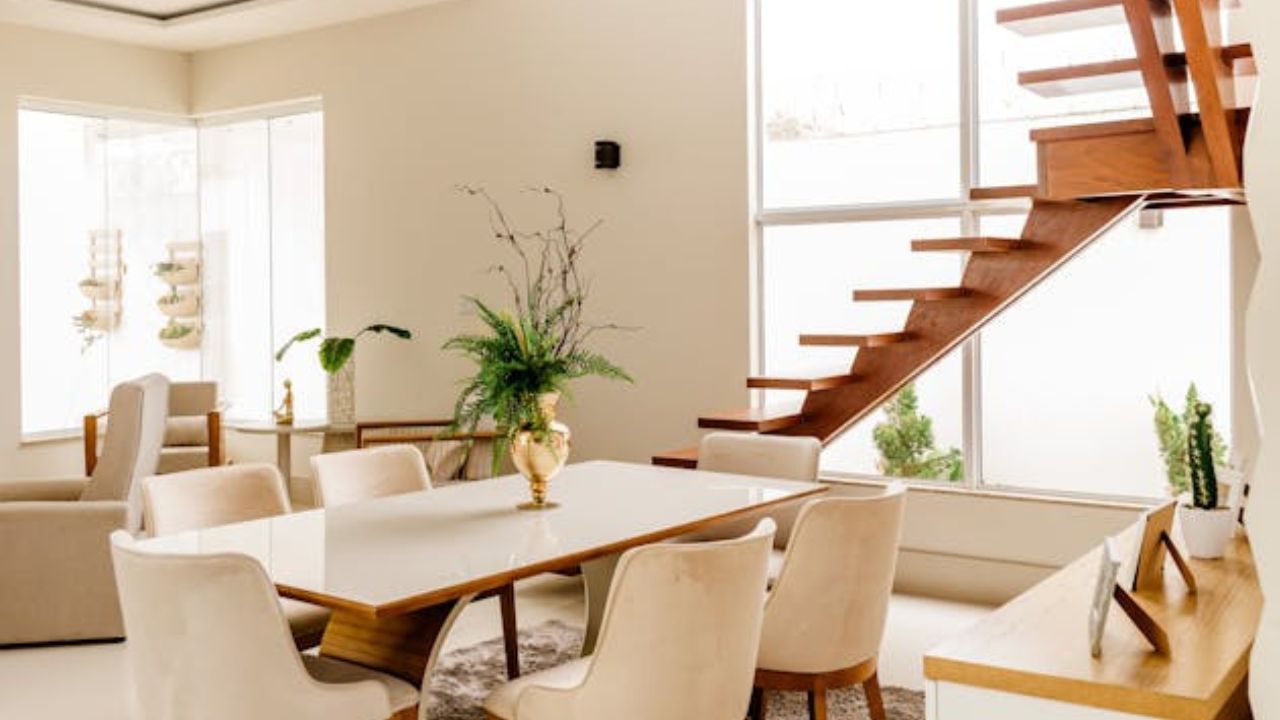
The beauty of this aesthetic lies in authenticity. House Digest highlights that biophilic design is not built on artificial imitations, but on real elements: natural plants, fresh flowers, small home gardens, or materials such as stone and solid wood.
The goal is not to imitate nature indoors but to facilitate visual and sensory access to it — through large windows that bring in natural light or through organic touches throughout the home. Natural materials and choices that evoke the outdoors help create more balanced and welcoming environments.
Additionally, House Digest suggests letting nature guide color palettes and shapes: earthy tones, deep greens, sky-inspired blues, desert-like oranges, as well as soft curves, organic patterns, and branching lines. According to the designers consulted, these subtle references can boost mood and make a home healthier and more inspiring.
Source: House Digest. This content was created with the help of AI and reviewed by the editorial team.
